Building a robust savings account is a cornerstone of financial security. For many, the journey to saving more money feels like an uphill battle, often fraught with impulse purchases and unforeseen expenses. However, by adopting specific, actionable personal finance habits, significant progress can be made. This post outlines five key habits that have personally transformed my approach to saving, enabling me to consistently increase my financial reserves.
1. Automating Savings: The “Set It and Forget It” Personal Finance Habit
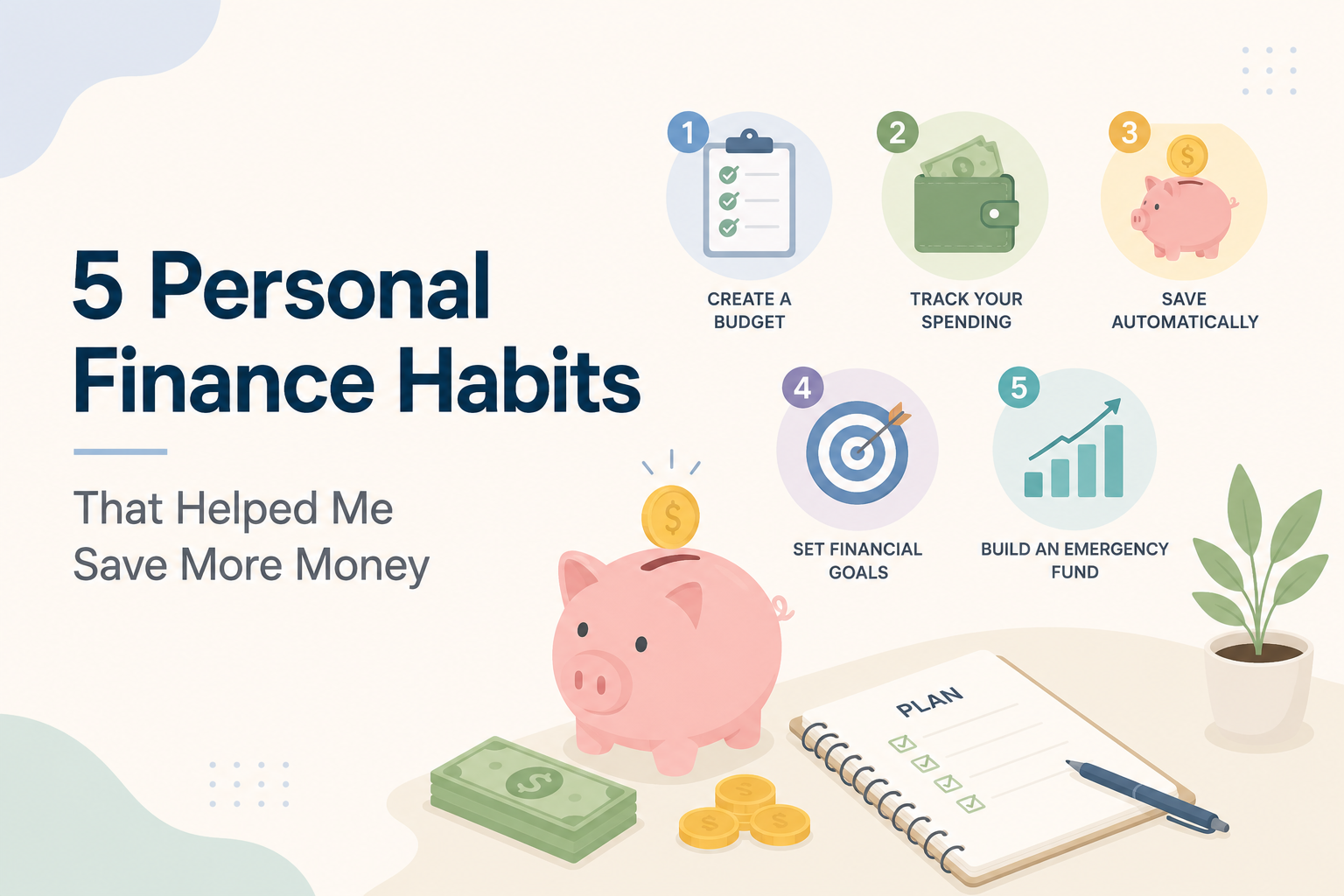
One of the most impactful personal finance habits I’ve implemented is the automation of my savings. The principle is straightforward: as soon as my paycheck is deposited, a predetermined amount is automatically transferred from my primary checking account to a dedicated savings account. This “set it and forget it” strategy is remarkably effective because it removes the temptation to spend the money before it’s even allocated to savings. It acts as a powerful psychological safeguard, ensuring consistent progress towards my financial objectives without requiring constant manual intervention. This automated approach forms the bedrock of my personal finance habits for saving.
2. Conscious Spending: A Key Personal Finance Habit for Saving
Secondly, I’ve cultivated the habit of conscious spending. This involves a deliberate pause before making any non-essential purchase. I now consistently ask myself: “Do I truly need this, or is it merely a fleeting want?” For larger expenditures, I’ve adopted the “24-hour rule.” This simple yet effective personal finance habit requires waiting a full day to assess whether the initial desire to buy persists. This practice has been instrumental in preventing numerous impulse buys and has significantly improved my ability to distinguish between genuine needs and transient desires.
3. Tracking Expenses: Understanding Your Personal Finance Habits
Another crucial personal finance habit for saving is diligent expense tracking. While I don’t subscribe to overly restrictive budgeting applications, I dedicate a few minutes each week to meticulously review my bank and credit card statements. Gaining a clear understanding of where my money is allocated is fundamental. This heightened awareness allows me to identify areas where I might be overspending and to implement necessary adjustments. The goal here is informed financial decision-making, not self-deprivation. Understanding these personal finance habits is key.
4. Reviewing Subscriptions and Recurring Payments: Cutting Unnecessary Expenses
Regularly reviewing my subscriptions and recurring payments has also proven to be a game-changer in my personal finance habits. It’s astonishing how many subscriptions we accumulate that are no longer actively used or provide tangible benefit. A periodic audit, conducted every few months, can uncover hidden costs and free up funds that can be effectively redirected towards savings. This is a straightforward yet highly effective method for reducing unnecessary expenditures.
5. Setting Clear Financial Goals
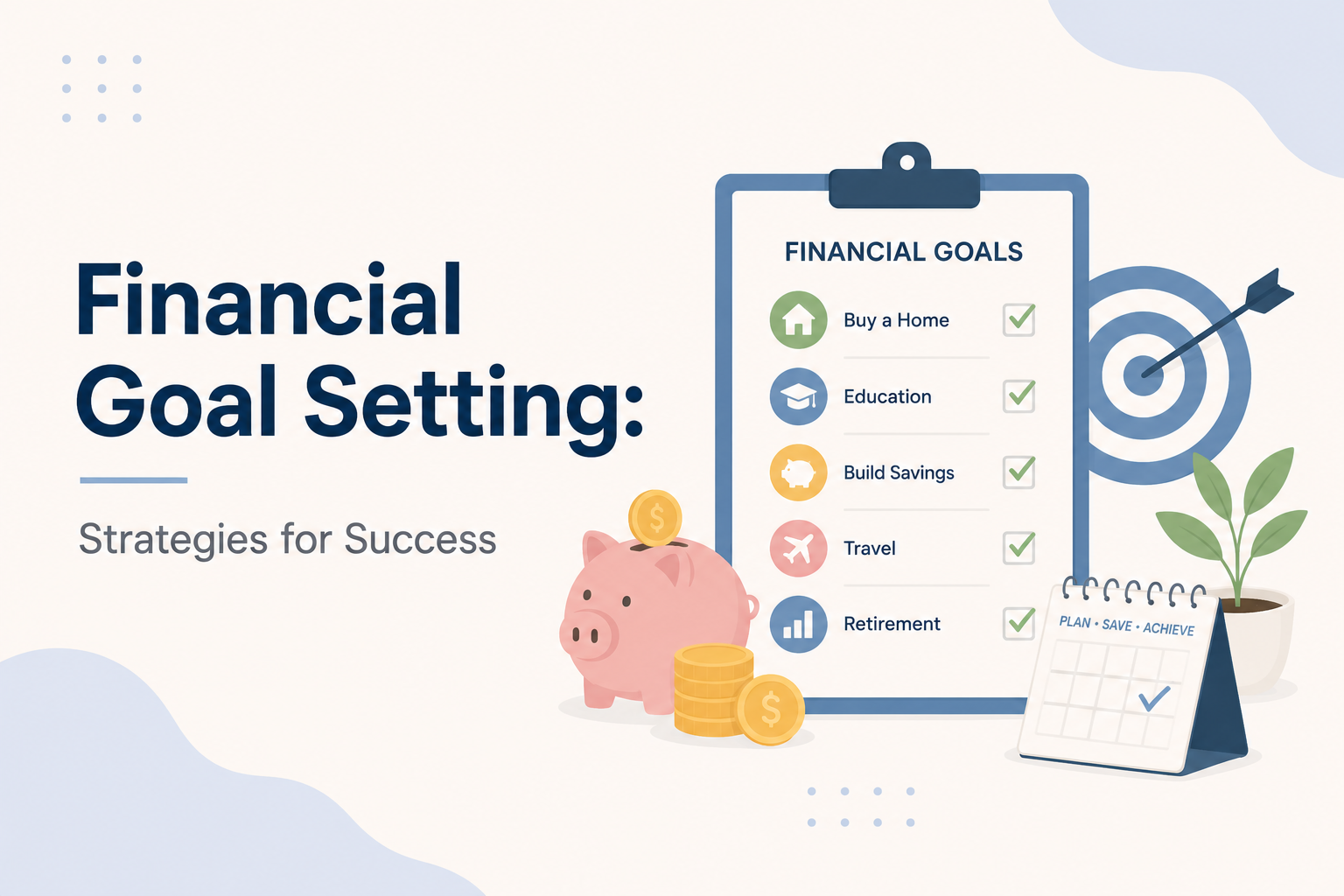
Finally, the habit of establishing clear financial goals provides the essential motivation needed to sustain these personal finance habits. Whether the objective is saving for a down payment on a property, funding a dream vacation, or securing retirement, having specific, measurable, achievable, relevant, and time-bound (SMART) goals imbues my saving efforts with purpose. Witnessing my savings balance grow in pursuit of a tangible objective reinforces the value of these habits and encourages steadfast adherence to my financial journey.
By consistently implementing these five personal finance habits, I have witnessed a significant enhancement in my savings capacity and have actively built a more secure financial future. These habits are not only practical and sustainable but have demonstrably contributed to my ability to save more money.
FAQs
Q1: How often should I review my subscriptions and recurring payments as part of my personal finance habits?
A1: A review every 3-6 months is generally recommended to catch any forgotten or underutilized subscriptions.
Q2: What is the best way to automate savings without feeling deprived?
A2: Start with a small, manageable amount that you won’t miss immediately. As you get accustomed to it and see your savings grow, you can gradually increase the automated amount. This gradual approach is a key aspect of sustainable personal finance habits.
Q3: How can I make tracking expenses less tedious?
A3: Utilize a simple spreadsheet or a note-taking app on your phone. Focus on categorizing major expenses rather than every single penny. The goal is awareness, not obsessive detail.
Q4: Are there specific personal finance habits that are more effective for younger individuals?
A4: For younger individuals, establishing good credit habits and understanding compound interest are crucial personal finance habits that can set them up for long-term success.
Q5: What if I struggle to stick to my personal finance habits?
A5: Be patient with yourself. Financial habits take time to form. If you slip up, don’t get discouraged. Analyze what went wrong and recommit to your plan. Consider finding an accountability partner to share your personal finance habits journey with.

Founder and writer of Wex Insights. Joshua Brillante publishes practical, research-based articles on personal finance, productivity, leadership, and personal development. As Wex Insights continues to grow, he also shares travel insights that encourage lifelong learning, better decision-making, and meaningful personal growth. Learn more about the author