In our increasingly interconnected world, the ability to navigate, evaluate, and create information using digital technologies is no longer a niche skill but a fundamental requirement. This is the essence of digital literacy, and understanding its importance is crucial for individuals and societies alike. From accessing education and employment opportunities to participating in civic discourse and protecting oneself from online threats, digital literacy forms the bedrock of modern engagement.
Understanding Digital Literacy in the Modern Age
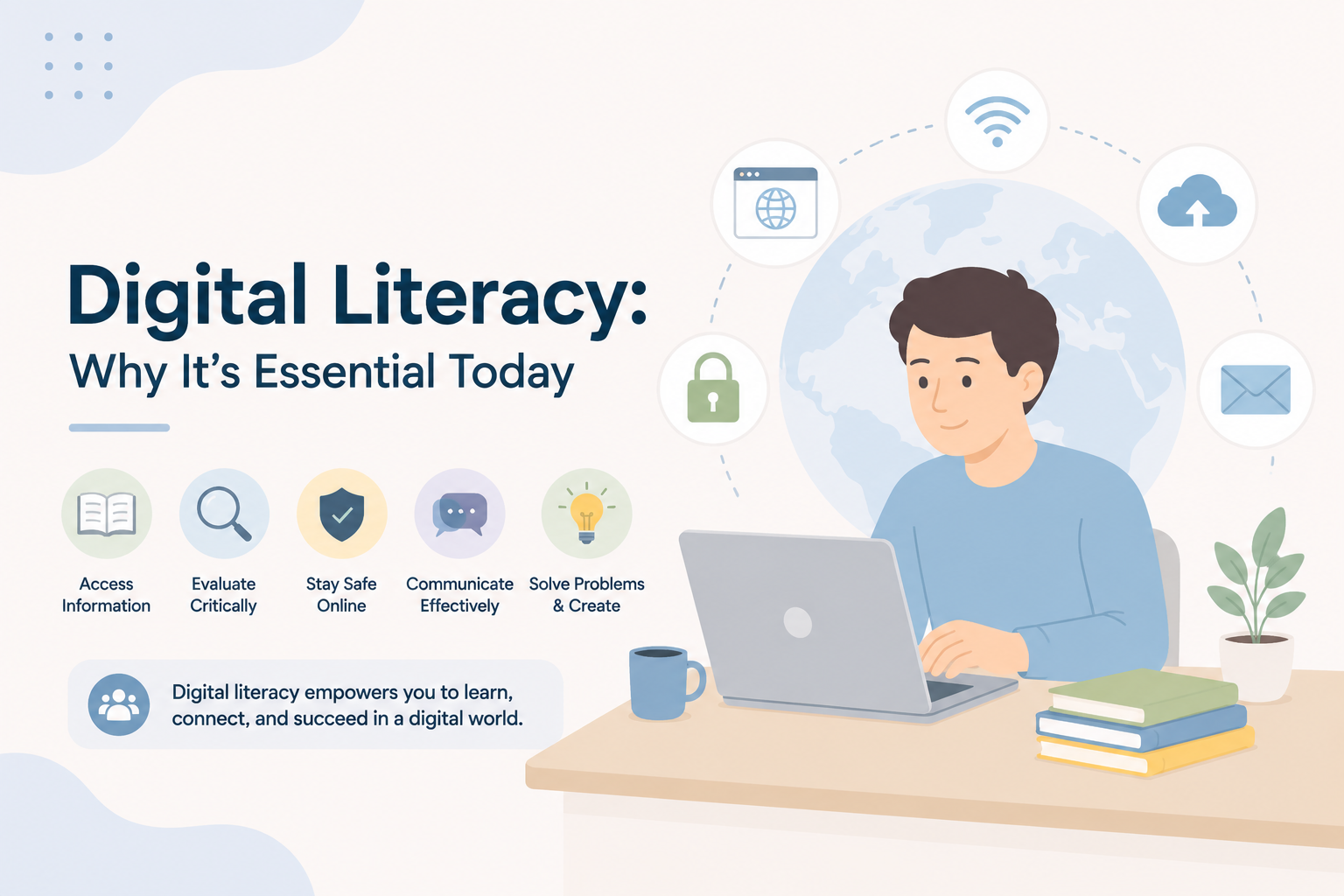
Digital literacy encompasses a broad spectrum of skills. It goes beyond simply knowing how to operate a computer or smartphone. It involves critical thinking about online content, understanding how digital platforms function, and recognizing the ethical implications of our online actions. This includes the ability to discern credible sources from misinformation, protect personal data, and communicate effectively in a variety of digital formats. Without these competencies, individuals risk being excluded from essential services, falling prey to scams, and being unable to fully participate in the digital economy and society.
The Pillars of Digital Literacy
Several key components contribute to robust digital literacy:
Information Literacy: The ability to find, evaluate, and use information effectively and ethically. This is paramount in an era of information overload and the proliferation of fake news.
Communication and Collaboration: Proficiency in using digital tools to communicate and collaborate with others, whether through email, social media, or collaborative platforms.
Digital Content Creation: The skills to produce and share digital content, from simple text documents to more complex multimedia projects.
Safety and Security: Understanding how to protect oneself and one’s data online, including recognizing and avoiding cyber threats, phishing attempts, and malware.
Problem Solving and Innovation: Using digital tools to solve problems and foster creativity and innovation.
Digital Literacy and Career Advancement
In today’s job market, digital literacy is a non-negotiable asset. Employers across all sectors increasingly seek candidates who are comfortable with technology and can adapt to new digital tools and workflows. From basic office software proficiency to more advanced skills in data analysis or digital marketing, a strong foundation in digital literacy significantly enhances employability and opens doors to a wider range of career opportunities. Furthermore, the ability to engage in continuous learning through online resources is a hallmark of digitally literate professionals, ensuring their skills remain relevant in a rapidly evolving landscape.
Navigating the Digital Landscape Safely: The Role of Digital Literacy
The digital world, while offering immense opportunities, also presents significant risks. Digital literacy equips individuals with the knowledge and skills to navigate these challenges safely. Understanding privacy settings, recognizing phishing attempts, and being aware of the potential for online harassment are all critical aspects of digital safety. Without this awareness, individuals are more vulnerable to identity theft, financial fraud, and reputational damage. A digitally literate population is a more resilient population, better equipped to protect themselves and their communities online.
Bridging the Digital Divide Through Digital Literacy
The concept of the “digital divide” refers to the gap between those who have access to and proficiency with digital technologies and those who do not. Enhancing digital literacy is a crucial strategy for bridging this divide. By providing accessible training and resources, we can empower marginalized communities, older adults, and those with limited technological exposure to participate fully in the digital age. This not only promotes social equity but also unlocks the potential of a broader segment of the population to contribute to economic and social progress.
Frequently Asked Questions (FAQs)
Q1: What is the difference between digital literacy and digital fluency?
A1: Digital literacy refers to the fundamental ability to use digital technologies and understand digital information. Digital fluency, on the other hand, implies a deeper, more intuitive mastery of digital tools and concepts, allowing for creative and innovative use.
Q2: How can I improve my digital literacy?
A2: You can improve your digital literacy through online courses, workshops, tutorials, and by actively practicing using various digital tools and platforms. Many libraries and community centers also offer free digital literacy training.
Q3: Is digital literacy important for older adults?
A3: Absolutely. Digital literacy is essential for older adults to stay connected with family and friends, access essential services like healthcare and banking, and engage with the wider world online, combating isolation.
Q4: How does digital literacy relate to critical thinking?
A4: Digital literacy is intrinsically linked to critical thinking. It involves evaluating the credibility of online sources, identifying biases, and understanding the underlying mechanisms of digital information dissemination, all of which are core critical thinking skills.Q5: What are the main challenges in promoting digital literacy?
A5: Key challenges include unequal access to technology and internet, the rapid pace of technological change requiring continuous learning, and the need for culturally relevant and accessible training materials.
References
Association of College & Research Libraries. (2015). Framework for Information Literacy for Higher Education.
Hobbs, R. (2010). Digital and Media Literacy: A Policy Framework for Education. Aspen Institute.
Livingstone, S. (2004). Media Literacy and the Challenge of New Information and Communication Technologies. The John D. and Catherine T. MacArthur Foundation Series on Digital Media and Learning.
UNESCO. (2018). Media and Information Literacy: Policy and Strategy Toolkit for Ministers of Education.

Founder and writer of Wex Insights. Joshua Brillante publishes practical, research-based articles on personal finance, productivity, leadership, and personal development. As Wex Insights continues to grow, he also shares travel insights that encourage lifelong learning, better decision-making, and meaningful personal growth. Learn more about the author