In the dynamic landscape of modern business, technical prowess and strategic acumen are no longer the sole determinants of effective leadership. A growing consensus highlights the indispensable role of emotional intelligence in leadership, transforming how individuals connect, motivate, and guide their teams. This blog post delves into why cultivating emotional intelligence is not just beneficial, but essential for any aspiring or established leader.
Defining Emotional Intelligence in Leadership Contexts
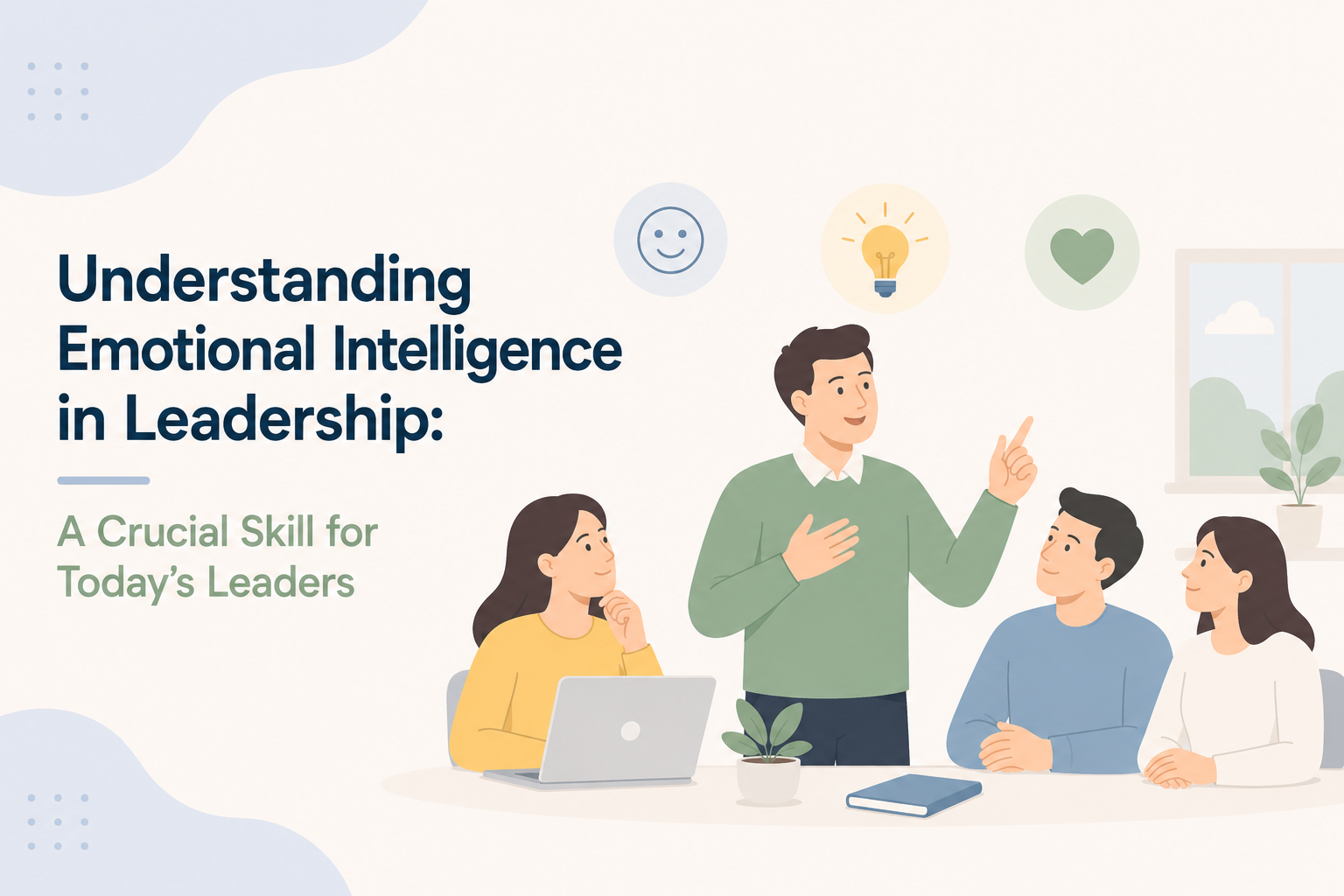
Emotional intelligence (EI) refers to the ability to understand and manage one’s own emotions, as well as to recognize and influence the emotions of others. For leaders, this translates into a nuanced understanding of interpersonal dynamics, enabling them to navigate complex workplace challenges with greater efficacy. High EI leaders are adept at self-awareness, allowing them to identify their strengths and weaknesses, and self-regulation, enabling them to control impulsive reactions and maintain composure under pressure. Furthermore, their social awareness helps them empathize with their team members, understanding their perspectives and motivations, while their relationship management skills foster trust, collaboration, and effective conflict resolution. This holistic approach to leadership, underpinned by emotional intelligence in leadership, creates a more positive and productive work environment.
The Impact of Emotional Intelligence in Leadership on Team Performance
The practical implications of strong emotional intelligence in leadership are profound and far-reaching. Leaders with high EI are better equipped to foster psychological safety within their teams, encouraging open communication and innovation without fear of retribution. They can inspire and motivate their subordinates by understanding their individual needs and aspirations, tailoring their approach to maximize engagement. Moreover, their ability to manage conflict constructively prevents minor disagreements from escalating into major disruptions, ensuring team cohesion and focus on collective goals. Studies consistently demonstrate a correlation between leaders with high EI and improved team performance, higher employee retention rates, and increased overall organizational success.
Developing Emotional Intelligence for Enhanced Leadership
The good news is that emotional intelligence is not a fixed trait; it can be cultivated and strengthened through conscious effort and practice. Leaders can begin by dedicating time to self-reflection, perhaps through journaling or mindfulness exercises, to better understand their emotional triggers and patterns. Seeking feedback from trusted colleagues or mentors can provide invaluable insights into how their behavior impacts others. Actively practicing empathy by trying to see situations from different perspectives, and consciously working on active listening skills, are crucial steps. Training programs focused on communication, conflict resolution, and stress management can also provide practical tools and strategies for enhancing emotional intelligence in leadership.
Addressing Challenges with Emotional Intelligence in Leadership
Even with a strong foundation in EI, leaders will inevitably face challenges. Difficult conversations, performance management, and navigating organizational change can all test a leader’s emotional resilience. However, a leader grounded in emotional intelligence in leadership will approach these situations with a greater capacity for understanding, communication, and problem-solving. They will be more likely to de-escalate tense situations, offer constructive feedback with sensitivity, and guide their teams through transitions with clarity and support. Ultimately, a commitment to continuous development of emotional intelligence equips leaders to not only overcome obstacles but also to emerge stronger and more effective.
FAQs about Emotional Intelligence in Leadership
Q1: How does emotional intelligence differ from IQ?
While IQ measures cognitive ability, EI measures the capacity to understand and manage emotions. Both are important for leadership, but EI is increasingly recognized as a critical differentiator for success.
Q2: Can emotional intelligence be learned?
Yes, emotional intelligence is a skill that can be developed and improved through self-awareness, practice, and targeted training.
Q3: What are the key components of emotional intelligence?
The key components typically include self-awareness, self-regulation, motivation, empathy, and social skills.
Q4: How can I measure my own emotional intelligence?
There are various assessments available, both formal and informal. Self-reflection, seeking feedback, and observing your interactions are also valuable methods.
Q5: What is the role of emotional intelligence in conflict resolution?
EI enables leaders to understand the underlying emotions driving conflict, communicate empathetically, and find mutually agreeable solutions, thereby fostering healthier relationships.
References
Goleman, D. (1995). Emotional Intelligence: Why It Can Matter More Than IQ. Bantam Books.
Bradberry, T., & Greaves, J. (2009). Emotional Intelligence 2.0. TalentSmart.
Mayer, J. D., & Salovey, P. (1997). What is emotional intelligence? In P. Salovey & D. J. Sluyter (Eds.), Emotional development and emotional intelligence: Educational implications (pp. 3–34). Basic Books.

Founder and writer of Wex Insights. Joshua Brillante publishes practical, research-based articles on personal finance, productivity, leadership, and personal development. As Wex Insights continues to grow, he also shares travel insights that encourage lifelong learning, better decision-making, and meaningful personal growth. Learn more about the author