Exam season. The words themselves can conjure up a potent blend of dread and determination. For students, this period is a crucible, testing not only their academic knowledge but also their mental fortitude. While the pressure to perform can be a powerful motivator, it can also lead to burnout, procrastination, and a disheartening lack of drive. So, how can you navigate the choppy waters of exam preparation and emerge victorious, not just with good grades, but with your motivation intact?
The key lies in understanding that motivation isn’t a constant, unwavering flame. It’s a dynamic force that ebbs and flows, and requires conscious effort to nurture. This isn’t about finding a magic bullet; it’s about implementing sustainable strategies that build resilience and keep you focused on your goals.
1. Break Down the Mountain: The Power of Micro-Goals
Staring at a syllabus that stretches out like an unconquerable mountain can be paralyzing. Instead of focusing on the colossal end goal, break your study material into smaller, manageable chunks. This could be a chapter, a specific topic, or even a set of practice questions. Achieving these micro-goals provides a sense of accomplishment, a small victory that fuels the desire to tackle the next one. Celebrate these small wins – a short break, a favorite snack, or a quick chat with a friend. These positive reinforcements are crucial for building momentum.
2. Craft a Study Sanctuary: Environment Matters
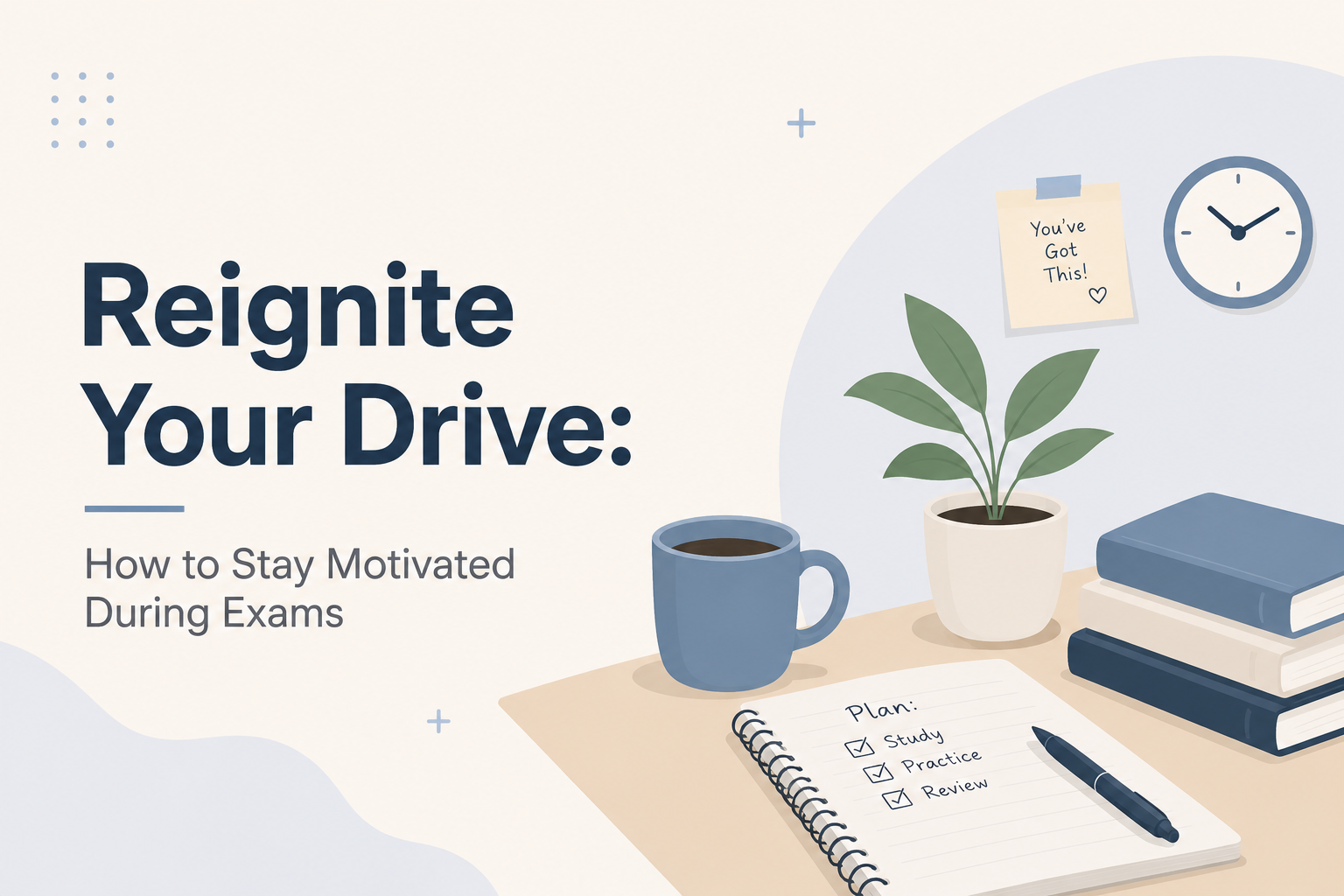
Your surroundings have a profound impact on your focus and motivation. Designate a study space that is free from distractions. This means clearing your desk of clutter, silencing notifications on your phone, and letting housemates know you need uninterrupted time. Consider the lighting, comfort, and even the presence of plants. A well-organized and peaceful environment can significantly enhance your ability to concentrate and make studying feel less like a chore and more like a productive endeavor.
3. Embrace the Pomodoro Technique: Structured Breaks for Sustained Effort
The Pomodoro Technique, a time management method developed by Francesco Cirillo, involves breaking down work into intervals, traditionally 25 minutes in length, separated by short breaks. After four “pomodoros,” you take a longer break of 15-30 minutes. This structured approach prevents mental fatigue and cultivates a sense of urgency within each work interval. It also ensures you’re taking regular breaks, which are essential for preventing burnout and maintaining cognitive function.
4. Visualize Your Victory: The Magnetic Pull of Success
What are your ultimate goals? Why are you putting in all this effort? Connect with your “why.” Visualize yourself succeeding in your exams, achieving your desired grades, and the positive impact this will have on your future. This mental imagery can be a powerful motivator, especially during moments of doubt or fatigue. Remind yourself of the rewards that await you, and let that vision pull you forward.
5. Fuel Your Engine: Nourishment and Movement
Your physical well-being is intrinsically linked to your mental state. Ensure you’re getting adequate sleep, eating nutritious meals, and staying hydrated. Avoid excessive caffeine or sugar, which can lead to energy crashes. Incorporate regular physical activity into your routine. Even a short walk can boost your mood, improve circulation, and clear your head, making you more receptive to learning.
6. Seek Support: You’re Not Alone
Don’t isolate yourself during exam season. Connect with classmates, study groups, or academic support services. Discussing difficult concepts with peers can provide new perspectives and solidify your understanding. Knowing that others are facing similar challenges can be incredibly reassuring and motivating. If you’re struggling with motivation or feeling overwhelmed, don’t hesitate to reach out to friends, family, or university counselors.
7. Reward Progress, Not Just Perfection
It’s easy to fall into the trap of only acknowledging success when perfection is achieved. Instead, focus on rewarding your effort and progress. Did you stick to your study schedule for the week? Did you finally understand a complex concept? Acknowledge these achievements with small, meaningful rewards. This positive reinforcement loop will encourage consistent effort and build a healthier relationship with your academic pursuits.
Exam season is a marathon, not a sprint. By implementing these strategies, you can cultivate a sustainable approach to motivation, transforming what could be a daunting challenge into an opportunity for growth and achievement. Remember, a motivated student is an empowered student.
Frequently Asked Questions (FAQs)
Q1: What if I’m feeling completely unmotivated and can’t even start studying?
A1: Start with the smallest possible step. Even committing to 5 minutes of reviewing notes can be a breakthrough. Use the Pomodoro Technique for just one interval. Sometimes, the hardest part is starting, so lower the barrier to entry as much as possible.
Q2: How do I balance studying with social life and other commitments?
A2: Effective time management is crucial. Plan your study sessions in advance and communicate your schedule to friends and family. Look for opportunities to combine social activities with study, such as short study breaks with friends or group study sessions.
Q3: I’m easily distracted by my phone. What are some effective strategies to combat this?
A3: Consider using website blockers or app timers to limit access to distracting apps during study periods. Put your phone in another room or on airplane mode. Inform your friends and family that you won’t be available during your dedicated study times.
Q4: What are some good rewards to give myself after a study session or achieving a goal?
A4: Rewards should be enjoyable and not detrimental to your studies. Examples include: watching an episode of your favorite show, listening to music, enjoying a favorite snack, taking a walk, or spending time on a hobby.
Q5: How can I deal with the anxiety that often comes with exams?
A5: Anxiety is common. Practice mindfulness and deep breathing exercises. Ensure you’re getting enough sleep and exercise. Talking to a counselor or trusted friend can also be very helpful. Remember to focus on what you can control: your preparation.
References
Cirillo, F. (n.d.). The Pomodoro Technique. Pomodoro Technique Official Website. https://francescocirillo.com/pages/pomodoro-technique
Dweck, C. S. (2006). Mindset: The new psychology of success. Random House.
Grant, A. (2013). Give and Take: Why Helping Others Drives Our Success. Viking.
McDonigal, K. (2012). The Upside of Stress: Why Stress Is Good for You, and How to Get Good at It. Penguin Books.

Founder and writer of Wex Insights. Joshua Brillante publishes practical, research-based articles on personal finance, productivity, leadership, and personal development. As Wex Insights continues to grow, he also shares travel insights that encourage lifelong learning, better decision-making, and meaningful personal growth. Learn more about the author