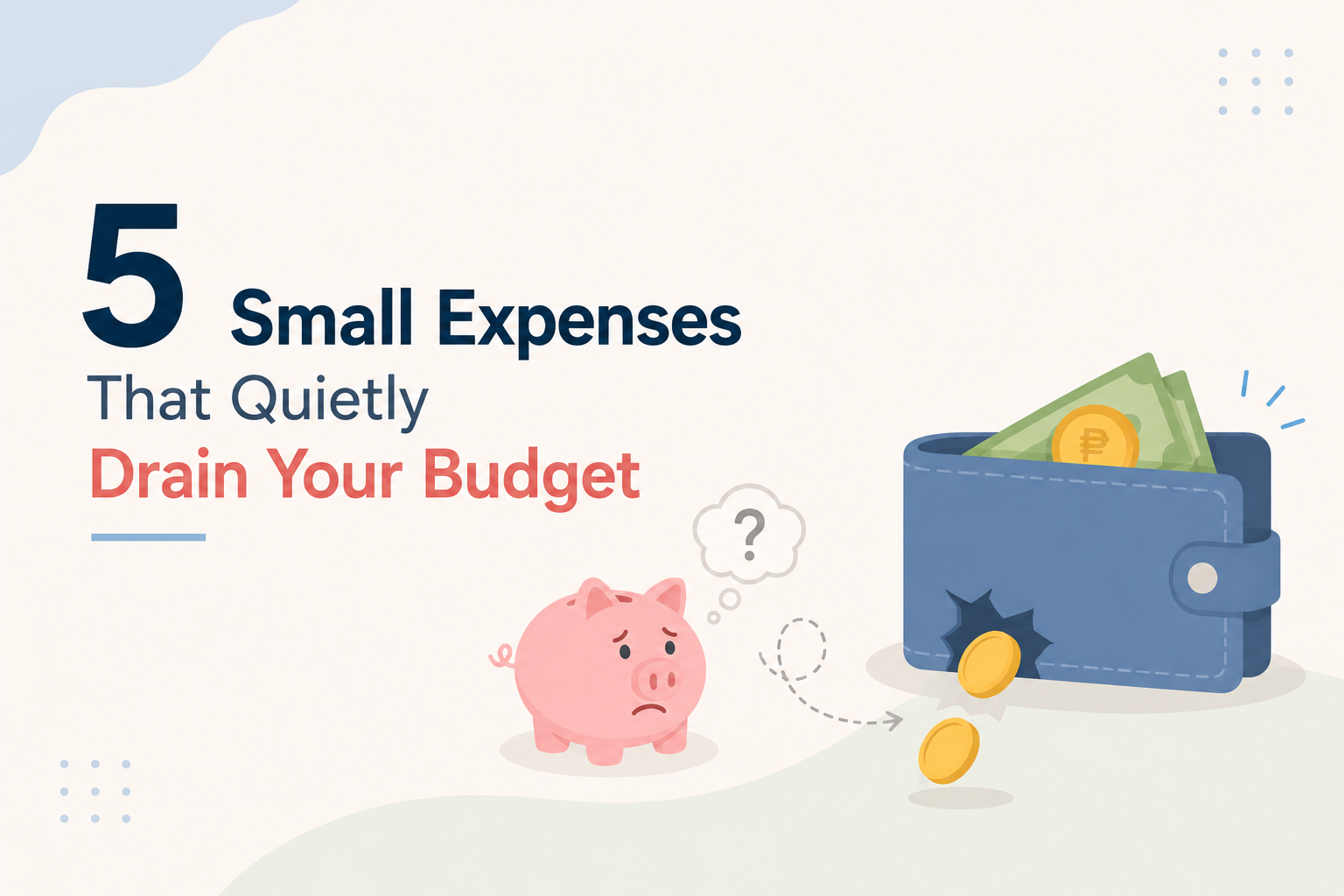
In the realm of personal finance management, our attention often gravitates towards the significant expenditures that shape our financial landscape. Mortgages, car loans, and substantial debt repayment plans naturally command our focus. However, a more insidious threat to fiscal health can emerge from the silent accumulation of seemingly minor, recurring costs. These are the “leaky bucket” expenses; individually insignificant, they can collectively exert a considerable strain on a household budget, diminishing savings potential and hindering the achievement of long-term financial objectives. Understanding and mitigating these small drains is a critical component of robust budget adherence and wealth accumulation.
Subscription services that are underutilized or forgotten.
One prevalent category of these budget infiltrators is subscription services that are underutilized or forgotten. In our digital age, it’s remarkably easy to subscribe to streaming platforms, software, gym memberships, or niche online services without consistently engaging with their offerings. The monthly or annual fees, often automated, can persist unnoticed in bank statements, a constant, low-level drain. A diligent review of recurring charges is paramount. Identifying and subsequently canceling any services that do not provide commensurate value can liberate substantial funds over time, contributing significantly to budget health.
Impulse purchasing of convenience items.
Another common culprit is impulse purchasing of convenience items. This can manifest as daily specialty coffees, pre-packaged lunches, or readily available snacks purchased on the go. While these items offer immediate gratification, their cumulative cost can be surprisingly high. For instance, a daily $5 coffee equates to over $1,800 annually. Preparing meals and beverages at home, or identifying more cost-effective alternatives, represents a significant opportunity for savings.
Late payment fees and penalties
Late payment fees and penalties constitute another often overlooked expense that can significantly impact your financial well-being. These charges are typically levied by credit card companies, utility providers, or loan servicers for failing to meet payment deadlines. While often a consequence of disorganization rather than intentional overspending, the financial impact is direct and substantial. Implementing automated payment systems or employing calendar reminders can effectively prevent these avoidable fees, thereby preserving budget integrity and preventing unnecessary financial leakage.
Unnecessary small-scale entertainment splurges
Furthermore, unnecessary small-scale entertainment splurges can erode financial reserves. This includes frequent impulse purchases of movie tickets, casual dining out, or small entertainment-related purchases that, when aggregated, represent a significant outlay. Prioritizing planned entertainment and seeking out free or low-cost recreational activities can help control this expenditure category.
Unforeseen but preventable maintenance and repair costs
Finally, unforeseen but preventable maintenance and repair costs can also act as significant budget drains. This might involve neglecting minor home repairs that escalate into larger, more expensive issues, or failing to perform routine maintenance on vehicles, leading to more costly breakdowns. Proactive maintenance and timely attention to small problems can significantly reduce the need for emergency repairs and their associated, often substantial, costs, thereby safeguarding the budget from unexpected shocks.
By systematically identifying and addressing these five categories of small expenses that quietly drain your budget, individuals can fortify their financial position and achieve their budgetary goals more effectively.
FAQs
Q1: What are some of the most common subscription services people forget to cancel?
A1: Common culprits include streaming services (Netflix, Hulu, Disney+), music streaming (Spotify, Apple Music), cloud storage (Dropbox, Google Drive), software subscriptions (Adobe Creative Cloud, Microsoft 365), and various app subscriptions.
Q2: How can I track my impulse spending on convenience items?
A2: You can use budgeting apps that categorize your spending, keep receipts for a week to review, or set a specific daily or weekly limit for discretionary purchases.
Q3: What are the best ways to avoid late payment fees?
A3: Setting up automatic payments for all recurring bills is highly effective. Alternatively, use calendar reminders a few days before the due date, or consolidate your bill due dates to a single point in the month.
Q4: How can I differentiate between necessary entertainment and unnecessary splurges?
A4: Plan your entertainment budget in advance. If an entertainment expense wasn’t planned or budgeted for, consider it a splurge. Look for free events, happy hour specials, or home-based entertainment options.
Q5: What are examples of preventable maintenance costs?
A5: For homes, this could be cleaning gutters to prevent water damage, sealing small cracks in driveways, or performing regular HVAC filter changes. For vehicles, it includes oil changes, tire rotations, and checking fluid levels.
References
Smith, J. (2023). The Psychology of Spending: Why We Buy What We Buy. Financial Press.
Jones, A. (2022). Budgeting for Beginners: A Practical Guide to Financial Freedom. Personal Finance Books.
Brown, L. (2023). Saving Strategies for the Modern Household. Wealth Management Journal, 15(3), 45-58.
Related topics:

Founder and writer of Wex Insights. Joshua Brillante publishes practical, research-based articles on personal finance, productivity, leadership, and personal development. As Wex Insights continues to grow, he also shares travel insights that encourage lifelong learning, better decision-making, and meaningful personal growth. Learn more about the author