
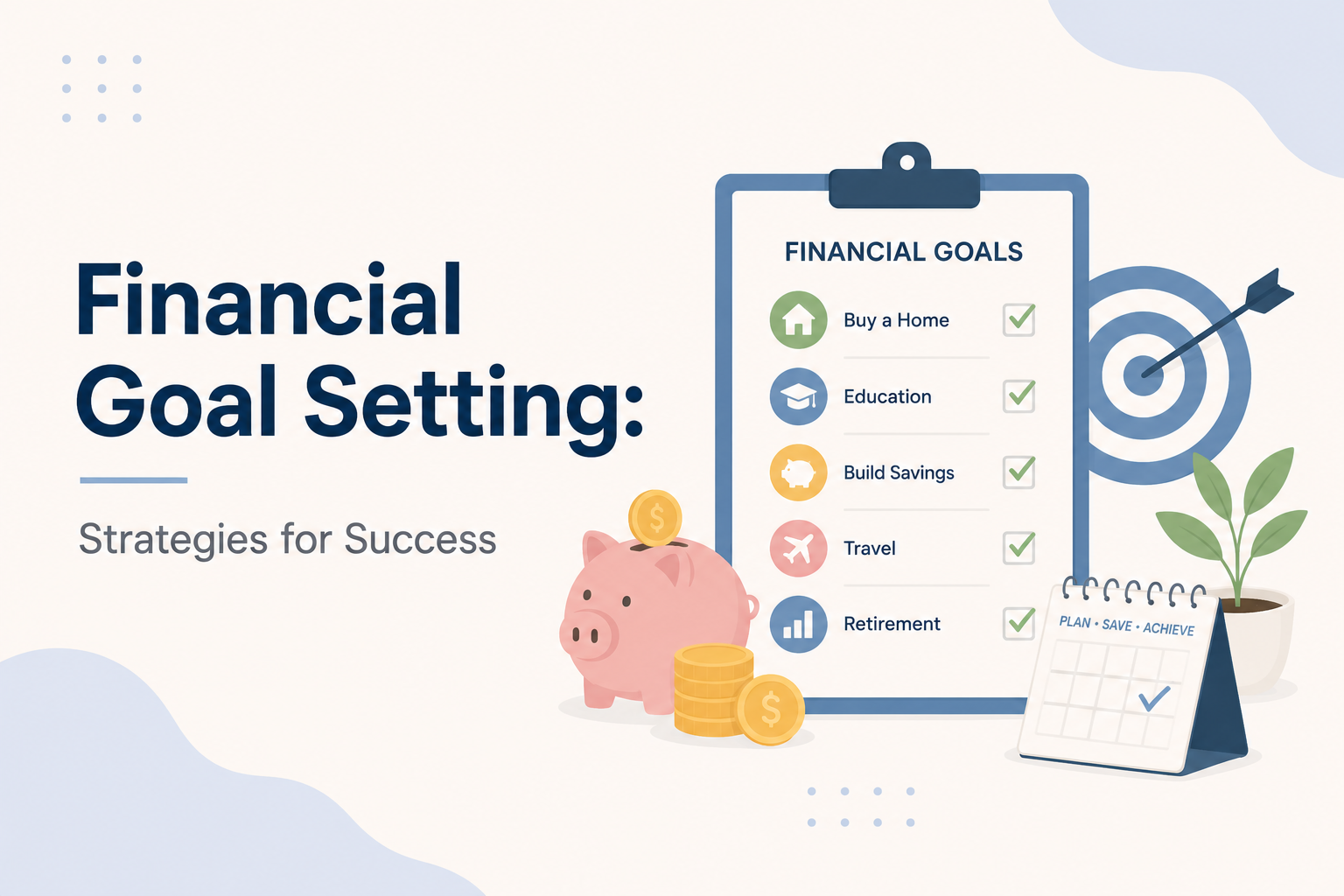
Establishing clear financial goals is a cornerstone of robust personal finance management. Without well-defined objectives, individuals often find themselves drifting, lacking the direction and motivation necessary to achieve financial stability and growth. This blog post delves into effective financial goal setting, outlining key strategies for success.
Understanding the Importance of Financial Goal Strategies
At its core, financial goal setting provides a roadmap for your monetary endeavors. It transforms abstract desires into actionable plans. Whether your aim is to build an emergency fund, save for a down payment on a property, retire comfortably, or invest for long-term wealth accumulation, a structured approach is paramount. Implementing sound financial goal strategies ensures that your actions are aligned with your aspirations, preventing aimless spending and promoting disciplined saving and investing.
Crafting SMART Financial Goal Strategies
A widely recognized and highly effective framework for setting financial goals is the SMART criteria: Specific, Measurable, Achievable, Relevant, and Time-bound. Applying these principles to your financial objectives significantly enhances their likelihood of attainment.
- Specific: Instead of a vague goal like “save more money,” aim for “save $10,000 for a down payment on a house.”
- Measurable: Quantify your goal. The $10,000 figure is measurable. You can track your progress towards this amount.
- Achievable: Ensure your goal is realistic given your current income, expenses, and other financial commitments. A goal that is too ambitious may lead to discouragement.
- Relevant: Your financial goals should align with your overall life aspirations and values. Does saving for this down payment truly matter to you?
- Time-bound: Set a deadline. For example, “save $10,000 for a down payment on a house within the next three years.” This creates a sense of urgency and accountability.
Implementing Actionable Financial Goal Strategies
Once your goals are defined using the SMART framework, the next step involves developing actionable strategies to achieve them. This typically includes:
- Budgeting: A detailed budget is fundamental. It allows you to understand where your money is going and identify areas where you can cut back to allocate more towards your financial goals.
- Automated Savings: Set up automatic transfers from your checking account to your savings or investment accounts on a regular basis. This “set it and forget it” approach ensures consistent progress.
- Debt Management: High-interest debt can significantly impede your progress. Prioritize paying down debt, especially credit card balances, as part of your financial goal strategies.
- Investment Planning: For long-term goals, investing is crucial. Research different investment vehicles, such as stocks, bonds, or mutual funds, that align with your risk tolerance and time horizon.
- Regular Review and Adjustment: Financial goal strategies are not static. Periodically review your progress, typically quarterly or annually. Life circumstances change, and your goals and strategies may need to be adjusted accordingly.
Successful financial goal setting is the key to achieving financial stability and long-term wealth. By creating SMART goals, following a realistic budget, automating savings, managing debt, and investing wisely, you can make steady progress toward your financial objectives.
Remember, financial success doesn’t happen overnight. Consistent actions, regular reviews, and a clear financial plan can help you turn your goals into reality and build a secure financial future.
Related reads:

Founder and writer of Wex Insights. Joshua Brillante publishes practical, research-based articles on personal finance, productivity, leadership, and personal development. As Wex Insights continues to grow, he also shares travel insights that encourage lifelong learning, better decision-making, and meaningful personal growth. Learn more about the author