Understanding Your Debt
Navigating the complexities of personal finance often involves managing various forms of debt. Understanding the types of debt you carry is the foundational step towards regaining financial control. Common debt categories include credit card debt, characterized by high interest rates and revolving balances; student loans, which can have fixed or variable interest rates and long repayment terms; and personal loans, often used for larger purchases or debt consolidation, with varying interest rates and repayment schedules.
The initial phase of creating an effective debt repayment plan requires a comprehensive assessment of your current financial standing. This involves meticulously calculating your total debt amount across all creditors. Equally critical is understanding the interest rate associated with each debt. Higher interest rates mean more of your payment goes towards interest rather than principal, prolonging the repayment period and increasing the overall cost of the debt. Armed with this detailed overview, you can begin to strategize.
Creating Your Debt Repayment Plan
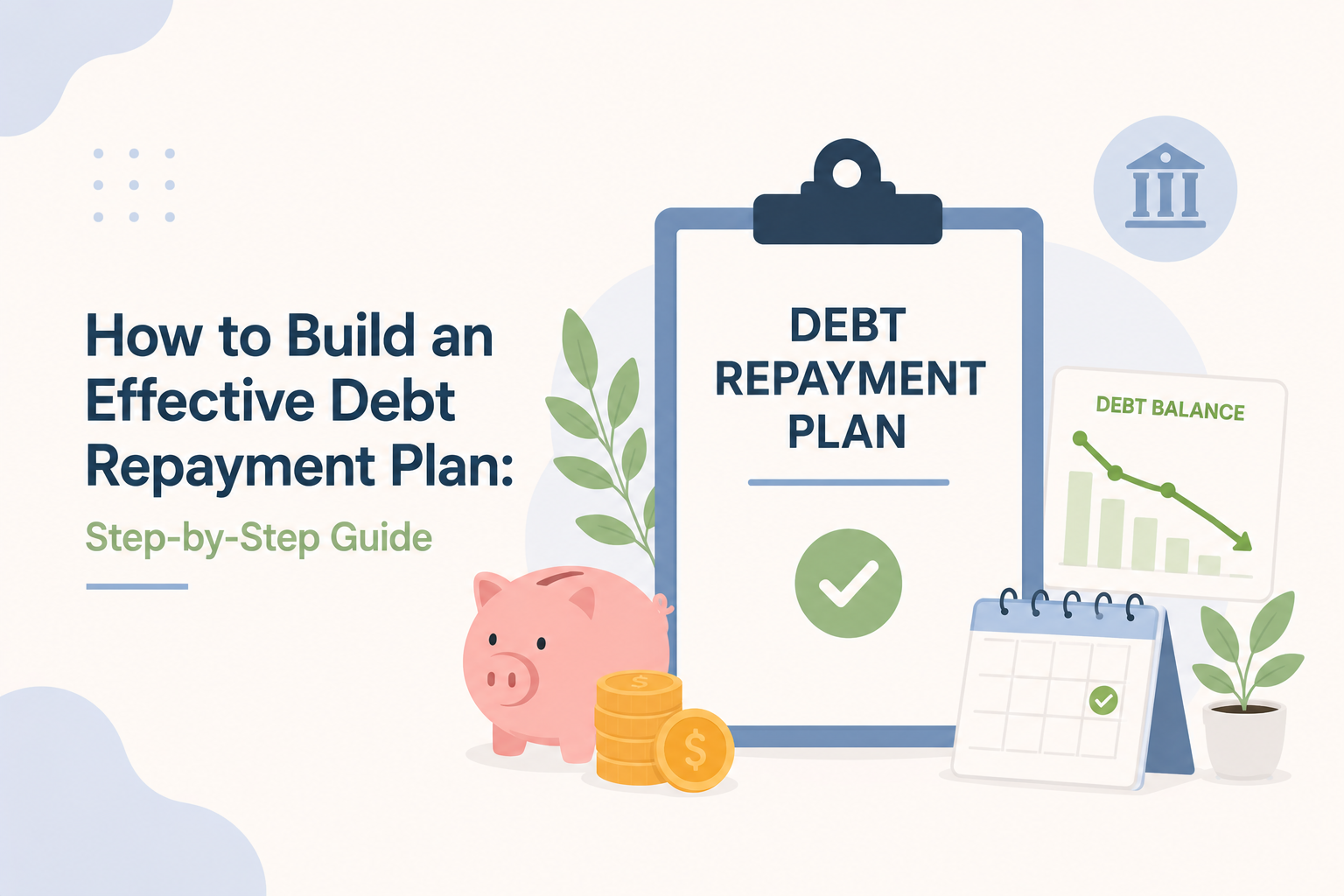
Developing a personalized debt repayment plan is an actionable strategy to systematically reduce and eliminate your outstanding debts. The process begins with a clear inventory of your debts, as established in the previous step. Once you have this data, you can select a repayment method that best suits your financial psychology and goals.
Two primary strategies are widely recognized for their effectiveness: the debt snowball method and the debt avalanche method. The debt snowball method involves paying off your smallest debts first, regardless of interest rate. Each time a debt is paid off, you roll that payment amount into the next smallest debt, creating a psychological “snowball” effect that can boost motivation. Conversely, the debt avalanche method prioritizes paying off debts with the highest interest rates first, while making minimum payments on all other debts. This approach, while potentially less psychologically rewarding initially, is mathematically superior as it minimizes the total interest paid over time. Choosing between these methods depends on your personal preference for immediate wins versus long-term cost savings.
Implementing the Plan
Successfully implementing your debt repayment plan hinges on consistent execution and disciplined financial habits. Sticking to your chosen repayment strategy requires dedication and a clear understanding of your financial inflows and outflows. This is where robust budgeting becomes indispensable.
A well-structured budget acts as the backbone of your debt repayment efforts. It allows you to allocate specific amounts towards your debt payments, ensuring that you consistently meet your obligations and actively work towards your goals. By tracking your income and expenses, you can identify areas where you might be able to cut back, freeing up additional funds to accelerate your debt reduction. Small, consistent sacrifices can lead to significant progress over time. Furthermore, setting realistic short-term goals and celebrating milestones can help maintain motivation and prevent burnout.
Adjusting Your Plan as Necessary
Financial landscapes are rarely static, and your debt repayment plan should be adaptable to evolving circumstances. Life happens – unexpected expenses arise, income may fluctuate, or new financial opportunities might emerge. Therefore, it is crucial to revisit and adjust your debt repayment plan periodically.
Regularly reviewing your budget and debt progress, perhaps on a quarterly basis, allows you to identify any deviations from your original plan. If your income increases, consider allocating a portion of that extra income towards your debt. Conversely, if you encounter a financial setback, such as a job loss or medical emergency, you may need to temporarily adjust your repayment amounts to accommodate essential living expenses. Discussing potential barriers, like the temptation to overspend or the discouragement of slow progress, is also vital. Overcoming these requires resilience, a renewed focus on your goals, and potentially seeking support from financial advisors or accountability partners. Flexibility and a proactive approach to adjustments are key to navigating challenges and ensuring your debt repayment journey remains on track.
Conclusion
Building and adhering to an effective debt repayment plan is a powerful tool for achieving financial freedom. By thoroughly understanding your debt, strategically creating a plan, diligently implementing it with the support of budgeting, and remaining flexible to adjust as needed, you can systematically conquer your financial obligations and pave the way for a more secure financial future.
Sources
Ramsey, D. (2003). The Total Money Makeover: A Proven Plan for Financial Fitness. Thomas Nelson.
Investopedia. (n.d.). Debt Snowball: What It Is and How It Works. https://www.investopedia.com/terms/s/snowball.asp

Founder and writer of Wex Insights. Joshua Brillante publishes practical, research-based articles on personal finance, productivity, leadership, and personal development. As Wex Insights continues to grow, he also shares travel insights that encourage lifelong learning, better decision-making, and meaningful personal growth. Learn more about the author