
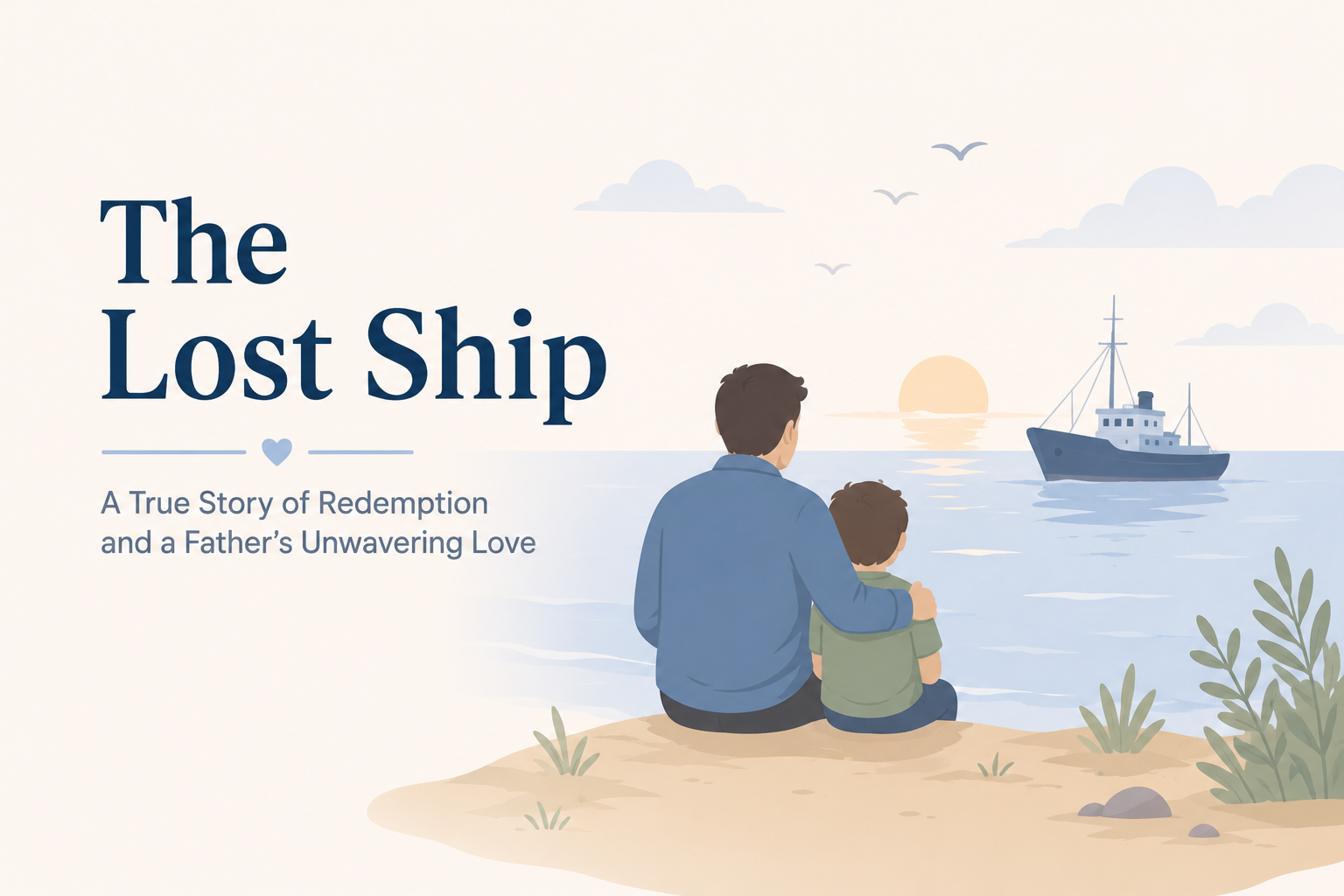
“When my father died, no tears of regret fell,” Jed said softly, his gaze distant, as if replaying a scene etched deep within his memory.
I met Jed two months ago, a serendipitous encounter after I moved south to the bustling heart of Manila. He was forty, a professional whose presence exuded a quiet confidence. Jed was the kind of man who speaks first, who offers his story like an open hand to a stranger, a gesture that immediately disarms and invites connection. Some individuals carry a warmth so naturally, you forget you’ve only just met them, and Jed was one of those rare souls.
He spoke of his youth not as a series of events, but as a winding road, a journey marked by recklessness, insatiable curiosity, and a vibrant aliveness. He confessed to trying almost everything a young man dares to explore, often pushing the boundaries of consequence. At one point, he described himself as a ship without a map, heavily laden with too many dreams and far too many mistakes, drifting aimlessly with no clear shore in sight. “A ship,” he explained, his voice tinged with a profound understanding, “can sink when it carries too much.” Even the stark reality of prison became an unexpected, yet integral, part of his unfolding narrative. Yet, through every storm, every tempest that threatened to capsize his life, his father remained a steady, watchful presence, a silent guardian who never truly left his side.
Time, as it always does, rushed forward, reshaping the contours of his life. Fate, in its intricate design, intervened. The lost ship, against all odds, found its land. Jed emerged from his turbulent past, transformed into an educator, a teacher guiding young minds, a path he had never once envisioned for himself. Every milestone achieved, every small victory celebrated, was shared with his father. Every bonus, no matter how modest, was transformed into a week-long escape, a precious interlude dedicated solely to the two of them. It was never about repayment, he emphasized, the gratitude in his voice palpable. It was about honoring the man who had lifted him when he could not stand alone.
“When my father died,” Jed recounted, his voice now laced with a different kind of emotion, “I did not cry from regret. I cried because I had no one left to run to when I succeeded. No one to call when joy arrived. No one to celebrate with.”
Jed highlighted a profound truth. Father figures, often perceived as ordinary by the world, leave an extraordinary void when they are gone. The silence they leave behind is not merely an absence of sound, but a deafening emptiness that echoes through the lives they touched. The message was clear, a poignant call to action. Honor them while they are here, in the vibrant present, or learn what regret truly sounds like when it finally finds its voice.
What are your thoughts on this?

Founder and writer of Wex Insights. Joshua Brillante publishes practical, research-based articles on personal finance, productivity, leadership, and personal development. As Wex Insights continues to grow, he also shares travel insights that encourage lifelong learning, better decision-making, and meaningful personal growth. Learn more about the author