In today’s hyper-connected world, our lives are increasingly intertwined with digital devices. Smartphones, social media, and endless streams of online content have become ubiquitous. While these technologies offer undeniable convenience and connection, they can also lead to overwhelm, distraction, and a sense of being constantly tethered. This is where the concept of digital minimalism comes into play – a philosophy that encourages intentional and mindful use of technology. Embracing digital minimalism isn’t about rejecting technology, but rather about using it as a tool to support your values and goals, rather than letting it dictate your life.
What is Digital Minimalism?
Digital minimalism, as popularized by Cal Newport, is a philosophy of technology use in which you focus your online time on a small number of carefully selected and optimized activities that strongly support things you value, and then happily miss out on everything else. It’s about making deliberate choices about which digital tools to use and how to use them, rather than passively consuming whatever the digital world throws at you. The core idea is to move from a state of constant digital engagement to one of intentional interaction.
Key Benefits of Digital Minimalism
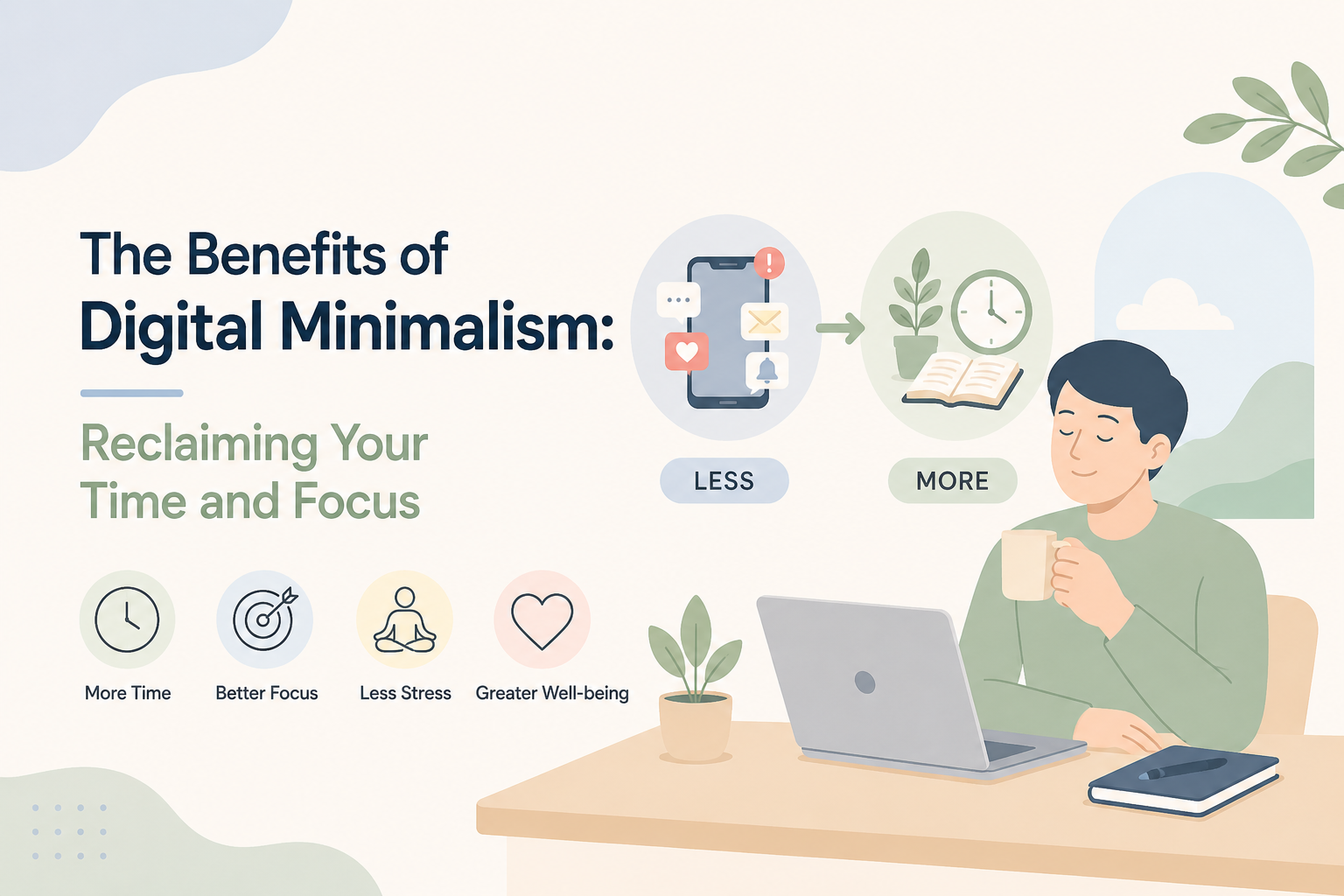
Adopting a digital minimalist approach can yield a wealth of benefits, impacting your mental well-being, productivity, and overall quality of life.
Enhanced Focus and Productivity: Benefits Of Digital Minimalism
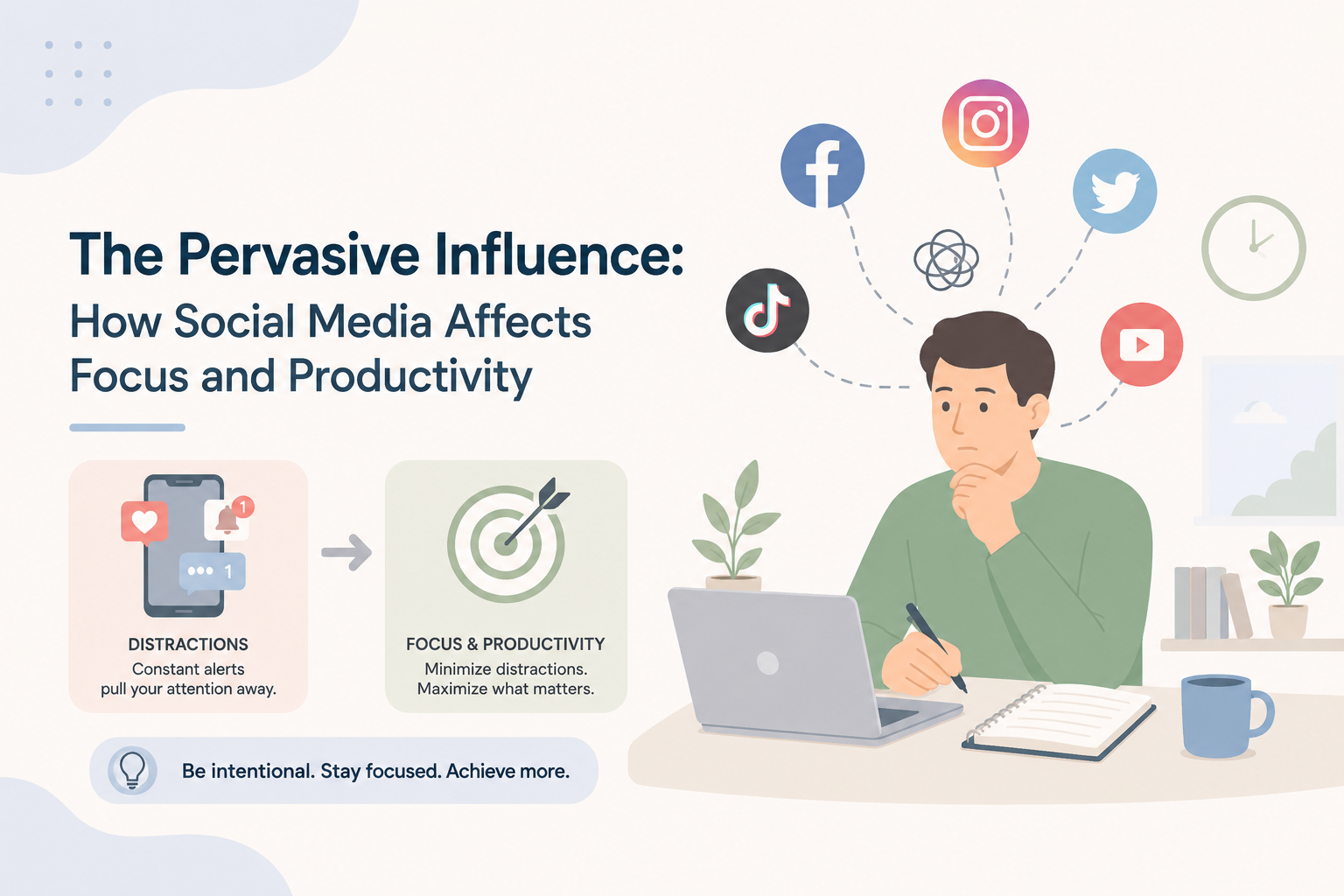
One of the most significant advantages of digital minimalism is the reclaiming of your attention. Constant notifications, the allure of social media feeds, and the temptation to multitask fragment our focus, making deep work and sustained concentration incredibly challenging. By reducing unnecessary digital distractions, you create more uninterrupted blocks of time, allowing you to engage more deeply with tasks, leading to increased productivity and higher quality output.
Improved Mental Well-being and Reduced Stress
The incessant influx of information and the pressure to constantly be “on” can contribute to anxiety, stress, and even burnout. Digital clutter mirrors mental clutter. By curating your digital environment, you reduce the cognitive load, leading to a calmer and more centered mind. This can manifest as reduced feelings of FOMO (fear of missing out), less comparison with others online, and a greater sense of presence in your offline life.
Deeper Connections and Meaningful Relationships
Ironically, by spending less time passively scrolling through digital interactions, you can foster more genuine and meaningful connections in the real world. Digital minimalism encourages you to prioritize face-to-face interactions, phone calls, and intentional online communication that truly enriches your relationships. Instead of superficial likes and comments, you cultivate deeper conversations and shared experiences.
Increased Leisure Time and Engagement in Hobbies
How much time do you spend mindlessly browsing the internet or scrolling through social media? Digital minimalism helps you identify and eliminate these time sinks, freeing up valuable hours. This newfound time can be reinvested in activities that bring you joy and fulfillment, such as reading books, pursuing hobbies, spending time in nature, exercising, or simply enjoying quiet reflection.
Greater Self-Awareness and Intentionality
The practice of digital minimalism inherently fosters self-awareness. By questioning your technology usage and its impact on your life, you begin to understand your own values and priorities more deeply. This leads to a more intentional approach to all aspects of your life, not just your digital habits. You become more deliberate about how you spend your time, energy, and attention.
Implementing Digital Minimalism
- Conduct a Digital Declutter: Take stock of all your digital tools and services. Identify what truly adds value and what is merely a distraction.
- Define Your Technology Rules: Set clear boundaries for your technology use. For example, designate specific times for checking email or social media, or implement “no-phone zones” in your home.
- Embrace Solitude: Make time for intentional solitude, free from digital input. This allows for reflection and introspection.
- Prioritize High-Quality Leisure: Choose leisure activities that are intellectually stimulating or personally fulfilling, rather than passive consumption.
- Reclaim Your Commute: Use travel time for reading, listening to podcasts, or simply observing your surroundings, rather than being glued to your phone.
Frequently Asked Questions (FAQs)
Q1: Is digital minimalism about completely disconnecting from technology?
A1: No, digital minimalism is not about complete disconnection. It’s about using technology intentionally and mindfully to support your values, rather than letting it control your life.
Q2: How can I start practicing digital minimalism if I have a job that requires constant online presence?
A2: Focus on optimizing your online presence. Identify essential tools and eliminate non-essential ones. Schedule blocks of focused work and minimize distractions during those times. Communicate your availability clearly to colleagues.
Q3: Won’t I miss out on important information or social interactions if I reduce my screen time?
A3: You might miss out on some superficial interactions, but you’ll gain deeper connections and more meaningful experiences. Essential information can still be accessed through intentional searches and curated sources.
Q4: How long does it take to see the benefits of digital minimalism?
A4: The benefits can be felt relatively quickly. You might notice improvements in focus and reduced stress within days or weeks of implementing changes. Deeper shifts in well-being and relationships may take longer.
Q5: What are some practical first steps for someone new to digital minimalism?
A5: Start by turning off non-essential notifications on your phone. Schedule specific times for checking social media. Delete apps that you find yourself mindlessly opening. Consider a “digital sabbath” for a day or weekend.
References
Newport, C. (2019). Digital Minimalism: Choosing a Focused Life in a Noisy World. Portfolio.
Turkle, S. (2011). Alone Together: Why We Expect More from Technology and Less from Each Other. Basic Books.
Haidt, J. (2024). The Anxious Generation: How the Great Rewiring of Childhood Is Causing an Epidemic of Mental Illness. Penguin Press.
You might also like

Founder and writer of Wex Insights. Joshua Brillante publishes practical, research-based articles on personal finance, productivity, leadership, and personal development. As Wex Insights continues to grow, he also shares travel insights that encourage lifelong learning, better decision-making, and meaningful personal growth. Learn more about the author